Equipment & Supplies
How to pick a trailer?
Golden State Trailers offers expert tips on how to find and purchase the best trailer.
November 11, 2026 by Bradley Cooper — Editor, Connect Media
 ChatGPT
 Grok
 Perplexity
 Claude
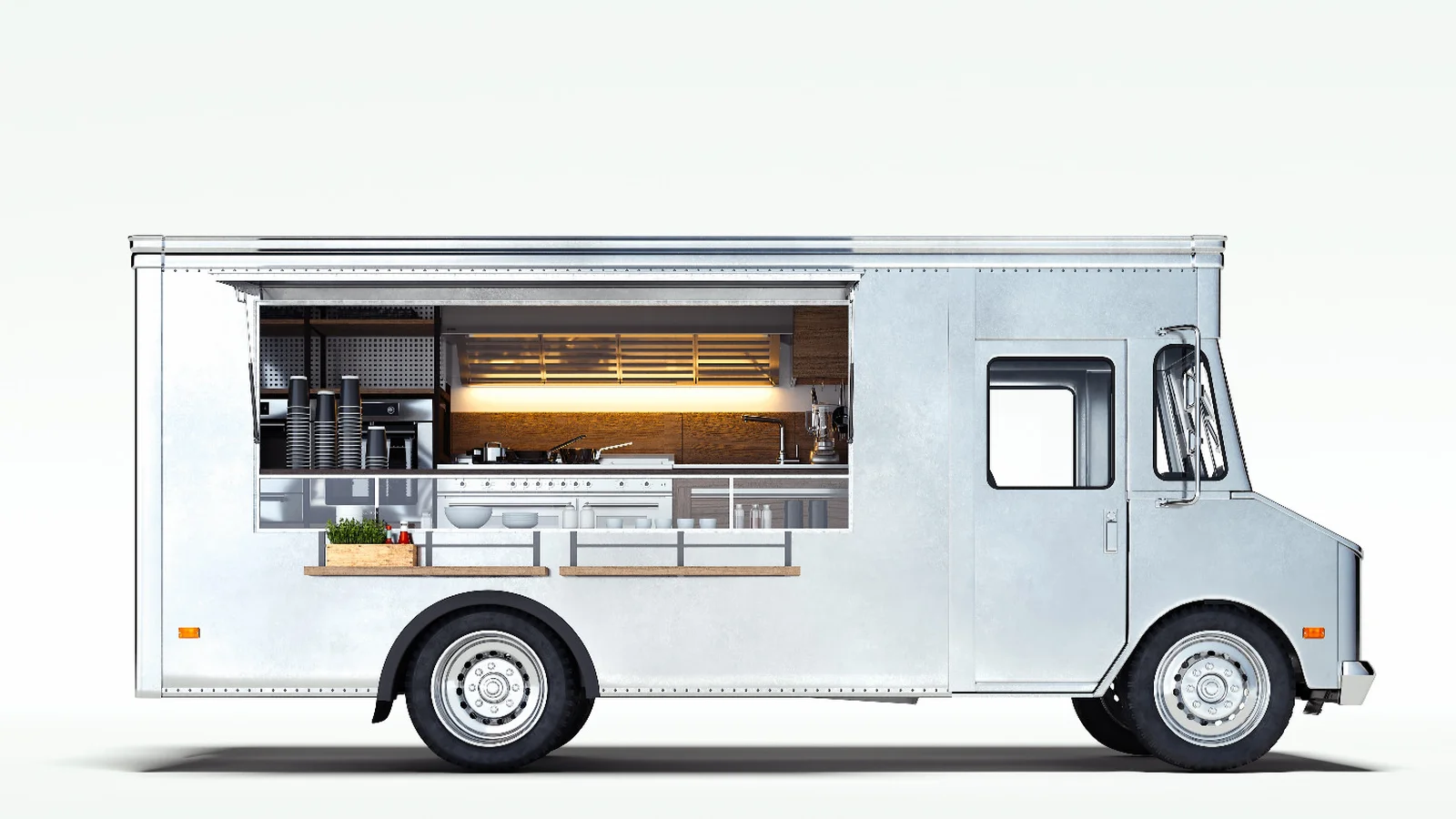
The first step to getting a food truck operation going, other than a great idea and recipes, is picking out a trailer. But that key step has a lot of considerations to keep in mind.
For one, what's the budget and can that budget accommodate what you need to make the food truck safe and able to handle orders? Does it have enough kitchen space? How will it look with your branding around it? What will the work flow look like?
These questions can quickly overwhelm anyone new to this business. Thankfully, they don't have to go it alone. They can partner with a dedicated food truck trailer manufacturer or reach out to associations on strategies for picking the best trailer upfront so they don't have tons of additional costs down the road.
Food Truck Operator reached out to Mike Shiyanenko, founder and CEO of Golden State Trailers for an in-depth interview over email on how food truck operators can pick out the best trailer.
Q. When first picking out a trailer, what are some common mistakes operators make?
Shiyanenko: One of the biggest mistakes we see is customers focusing too much on the initial purchase price rather than the overall value and quality of the trailer. A food trailer is a commercial kitchen on wheels, and there is a lot more involved than simply putting cooking equipment inside a trailer.
Another common mistake is not fully understanding the requirements of the health department and other regulatory agencies where they plan to operate. Requirements can vary significantly between states, counties, and cities. We've seen operators purchase trailers at attractive prices only to discover later that they need thousands of dollars in modifications before they can legally operate.
We also see people underestimate the importance of kitchen layout and workflow. A trailer might look spacious when it's empty, but once you add equipment, employees, inventory, and supplies, every inch matters. A poorly designed kitchen can slow down service, increase labor costs, and create unnecessary frustration.
My advice is to look beyond the appearance and price. Pay attention to the quality of construction, the equipment being installed, the manufacturer's experience, and whether the trailer is actually designed for your specific business.
Q. If you could give three tips to new operators purchasing a trailer, what would they be?
Shinenyeko: First, do your homework before purchasing. Research your local health department requirements and understand what permits and approvals you will need. Make sure the manufacturer understands those requirements as well. The last thing you want is to invest a significant amount of money into a trailer that cannot be approved for operation.
Second, choose the right manufacturer, not just the lowest price. Ask questions about construction materials, electrical and plumbing systems, ventilation, warranties, and after-sales support. Ask to see completed projects and read customer reviews. A properly built trailer may cost more upfront, but it can save you a tremendous amount of money and frustration over its lifetime.
Third, plan your kitchen around your menu and daily operations. Don't just purchase equipment because it fits inside the trailer. Think about how many employees will work inside, how food will move through the preparation and cooking process, where inventory will be stored, and how quickly you need to serve customers.
At Golden State Trailers, we spend considerable time helping customers work through these questions because good planning is one of the most important parts of building a successful mobile kitchen.
Q. What about used trailers? Are they worth pursuing?
Shiyanenko: Used trailers can absolutely be worth considering, especially for someone working with a limited startup budget. However, I would approach a used trailer purchase with caution.
The biggest concern is that you don't always know what you're buying. Unlike a traditional vehicle, a food trailer has multiple commercial systems that all need to function properly, including electrical, propane, plumbing, ventilation, refrigeration, and fire suppression.
One of the biggest risks is purchasing a trailer that was approved in one location but doesn't meet the requirements of another. Just because a trailer operated legally in one state or county doesn't mean it will automatically be approved somewhere else.
Another consideration is the cost of modifications. We've seen situations where making an older trailer suitable for a new menu or bringing it up to current requirements can become quite expensive. At some point, the cost of purchasing and modifying a used trailer can approach the cost of building a new one.
I wouldn't discourage someone from buying used, but I would strongly recommend having the trailer inspected, verifying its documentation and regulatory status, and understanding the full cost of getting it operational before committing to the purchase.
Q. What sort of services does Golden State Trailers offer?
Shiyanenko: Golden State Trailers specializes in designing and manufacturing custom commercial food trailers for customers throughout the United States.
We offer a comprehensive process, from the initial consultation and kitchen layout design to equipment selection, engineering, manufacturing, and final delivery.
One thing that makes us different is that we don't believe in a one-size-fits-all approach. Every customer has a different concept, menu, and operational requirement. Whether someone is opening a coffee business, a pizza operation, a barbecue concept, or a full commercial kitchen, we design the trailer around their needs.
We also place a strong emphasis on construction quality. We use commercial-grade materials, stainless steel work surfaces, welded stainless steel cabinetry, professional electrical and plumbing systems, and commercial kitchen equipment.
In addition to manufacturing, we offer custom exterior branding and full trailer wraps using premium 3M materials. This allows our customers to receive a professionally finished mobile kitchen that represents their brand.
We also help guide customers through the regulatory process, including providing drawings and documentation needed for applicable approvals. In California and Washington, we work directly with the state agencies responsible for their respective trailer certification programs.
Throughout production, customers work with an assigned project manager and receive progress updates, including photos of their trailer being built.
Our goal is to make the purchasing and manufacturing process as straightforward as possible, especially for first-time operators who may be unfamiliar with everything involved.
Q. Can you share any success stories from your clients?
Shiyanenko:One of the most rewarding parts of our business is seeing our customers succeed and grow. We've had the opportunity to work with everyone from first-time entrepreneurs to established businesses and large hospitality operations.
One great example is Smashed Broz Burgers. They came to us as a startup business and purchased their very first food trailer. Within just one year, their business had grown enough that they returned to us to purchase a second trailer. Seeing a customer go from launching their first business to expanding their operation in such a short period of time is incredibly rewarding.
Another example is Haggin Oaks Golf Club, which expanded its food service capabilities through two custom trailers we manufactured for them-a 30-foot trailer and an 18-foot trailer. This is a great example of how food trailers aren't just for startups. Established businesses can use them to expand food offerings, serve additional customers, and create new revenue opportunities without necessarily investing in permanent kitchen facilities.
We've even had the opportunity to take our work internationally. A resort in Cabo, Mexico, purchased one of our custom trailers to support its hospitality operations. Projects like this demonstrate how versatile mobile kitchens can be, whether they're serving customers at a local event, supporting a golf course, or operating at an international resort.
What makes these stories special is that every customer has a different vision. Some are entrepreneurs starting from scratch, while others are established businesses looking for creative ways to expand.
For us, success isn't simply delivering a finished trailer. It's seeing our customers put those trailers to work, grow their businesses, and come back to us when they're ready for their next chapter. That's something we're extremely proud of.
Q. How do you ensure each trailer meets local regulations?
Shiyanenko: This is one of the most important parts of our manufacturing process, especially because we sell trailers throughout the United States.
The challenge with food trailers is that there isn't one universal approval process that applies everywhere. Different states and local jurisdictions can have different requirements related to plumbing, electrical systems, ventilation, fire safety, equipment certification, and food sanitation.
At Golden State Trailers, we begin by identifying where the customer intends to operate and reviewing the applicable requirements during the planning and design process.
We use nationally recognized codes and industry standards as a foundation for our construction practices, including relevant NFPA, mechanical, plumbing, electrical, and food safety standards.
We also use commercially certified equipment where applicable and develop detailed drawings that identify the equipment layout and major systems.
In states such as California and Washington, where specific state certification programs apply, we work directly with the California Department of Housing and Community Development (HCD) and Washington State Department of Labor & Industries (L&I) on applicable plan approvals and inspections.
We also assist customers by providing technical information and documentation that their local health departments may require.
It's important to understand that final operating approval often involves local authorities and requirements beyond the trailer itself, such as commissary arrangements, business permits, and operational procedures.
Our goal is to address as many of the applicable construction and regulatory requirements as possible before the trailer leaves our facility, rather than having customers discover expensive problems after delivery.
Q. Anything else you'd like to add?
Shiyanenko: I would encourage anyone considering entering the mobile food industry to treat their food trailer as a long-term business investment rather than simply a piece of equipment.
The mobile food industry offers some incredible opportunities. Compared with opening a traditional brick-and-mortar restaurant, a food trailer can provide greater flexibility, access to different markets, and potentially lower startup and operating costs.
However, success still requires careful planning, a strong concept, good financial management and reliable equipment.
One thing I always encourage customers to consider is what happens after the purchase. A trailer may look great when it's brand new, but how will it perform after several years of daily use? Are the materials durable? Is the equipment accessible for maintenance? Can the manufacturer provide support if questions or issues arise?
At Golden State Trailers, we've built our company around the belief that quality construction, thoughtful engineering, and customer service matter.
We're proud to manufacture our trailers here in California and to help entrepreneurs throughout the country bring their business ideas to life.
My biggest piece of advice is simple: do it right the first time. A well-planned, professionally built food trailer gives you a much stronger foundation to focus on what really matters-serving great food, building your brand, and growing your business.
About Bradley Cooper

Bradley Cooper is an experienced editor for Connect Media. He has written across a wide range of beats, ranging from food to digital signage to banking, and is the current editor of ATM Marketplace and Food Truck Operator. His background is in information technology, advertising, and writing. When he’s not crafting a story, you can find him going for a run or spending time with his wife and three sons.
Related Media
Subscribe
Get the latest news and resources from Food Truck Operator.
Recent Posts



Recent Podcasts