Technology
Solving the 'Dead Zone' dilemma at high-traffic food truck events
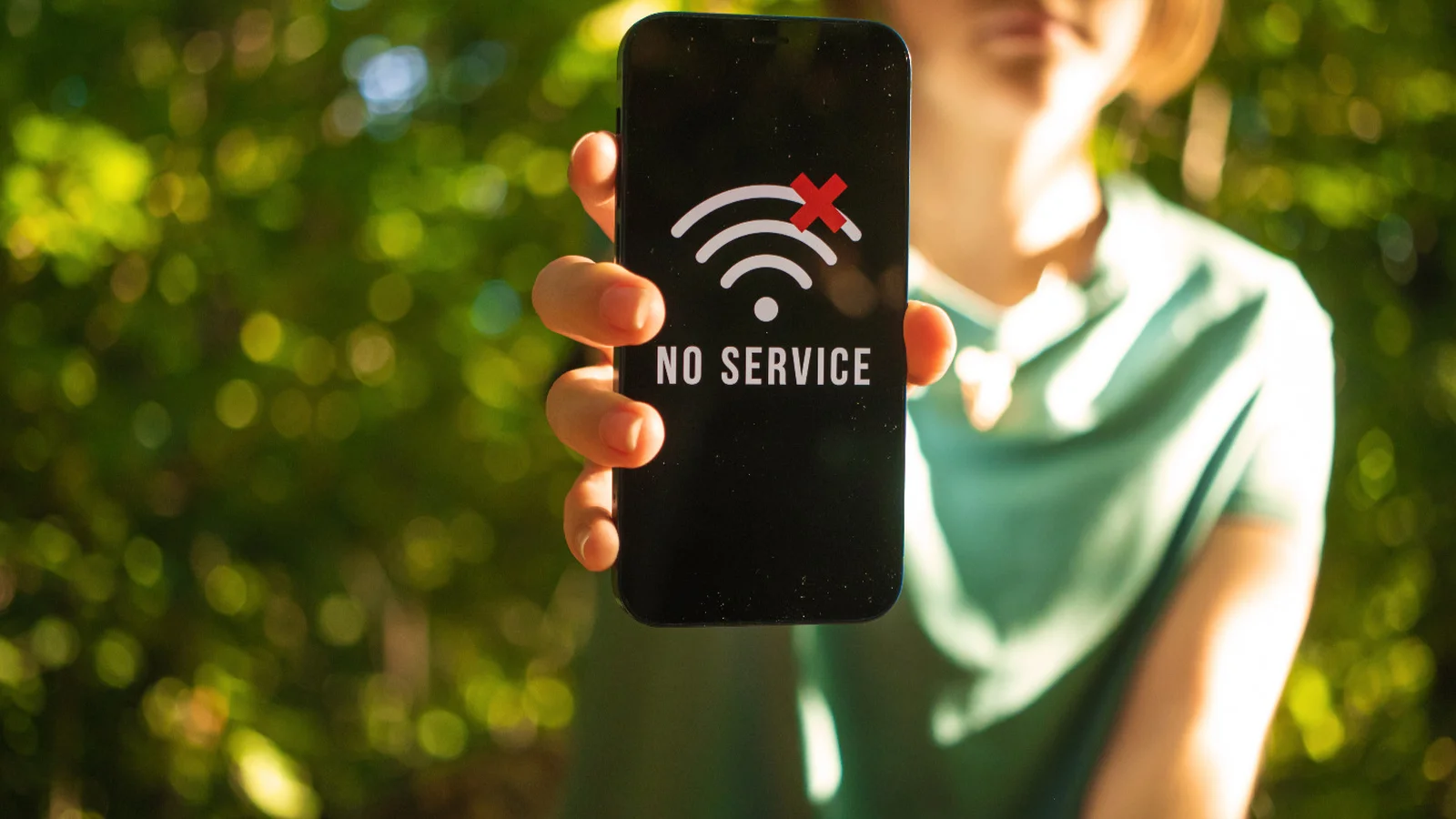
At high-traffic events, a reliable food truck POS internet connection is no longer optional. Operators are increasingly realizing that a mobile vendor Wi-Fi hot spot backup strategy is one of the best ways to keep service running when connectivity is problematic.
June 15, 2026 by Emily Newton — Freelance Writer & Editor-in-Chief of Revolutionized, Revolutionized
 ChatGPT
 Grok
Grok Perplexity
 Claude
I've seen it happen more than once at packed gatherings. The queue at the food truck is full, and people are ready to pay. Then, suddenly, the POS system collapses because the hot spot signal can't handle thousands of customers on the same network. What starts as a bustling, successful rush can rapidly morph into lost sales and angry consumers.
At high-traffic events, a reliable food truck POS internet connection is no longer optional for vendors. Operators are increasingly realizing that a mobile vendor Wi-Fi hot spot backup strategy is one of the best ways to keep service running when connectivity is problematic.
Why personal hot spots fail at big events
Food truck operators can go from a steady flow to full chaos in a matter of minutes when the internet connection goes out. It can be stressful, to say the least. A personal hot spot might be good enough to process payments at small events, but major festivals are a whole new environment.
Thousands of individuals are trying to submit videos, scroll social media, send messages and utilize mobile payment apps all at once. All this activity can swamp surrounding phone towers and delay connections to a crawl.
For vendors, the impact is far more than a temporary nuisance. If a food truck's POS internet connection goes south, payment processing may halt, and lines can back up quickly. Customers waiting in line may decide to leave, especially if other merchants nearby are still taking orders.
The situation is becoming increasingly more serious as digital payments become the norm. A survey showed that 63% of Americans have used a mobile wallet for a transaction. This makes it likely that many customers don't even have cash on hand when a mobile vendor's Wi-Fi hot spot goes down.
Many operators also misjudge the damage a connectivity problem can cause to the consumer experience. People can get upset with wait times and denied transactions, even if the cuisine is wonderful. At festivals packed with exhibitors clamoring for attention, reliability often becomes part of the brand experience, which is why more food truck operators are recognizing backup connectivity as a critical aspect of event setup.
Keeping connectivity up and running
Maintaining a strong connection at crowded events often comes down to preparation and having multiple backup options.
1. Bond multiple networks for reliability
One of the biggest mistakes merchants make at major events is trying to process every payment transaction all day long with one carrier or personal hotspot. There have been times when one network is almost useless, and another carrier nearby is still doing rather well. That is why many connectivity solutions combine different cellular networks, so you don't have to rely on a single signal source.
Rather than relying on a single connection, these systems blend networks from major carriers and automatically reroute traffic if one network slows or goes down. Consider a rental solution that bonds LTE connections from the best U.S. carriers for speeds up to 150 Mbps, so you always keep your POS system online with more stable, quicker service than a single mobile hotspot.
2. Prioritize your data with network slicing
Even with several networks, busy gatherings can cause significant digital traffic, slowing critical transactions. This is where new 5G technologies can have a real impact. I like to think of it as building a VIP lane on the cellular highway for your payment data, so your POS traffic doesn't have to compete with thousands of people downloading videos or streaming live nearby.
Today's connection solutions are more than basic hot spots — they leverage the new 5G capabilities such as network slicing, which provides dedicated data channels and ensures your crucial payment transactions are prioritized and always get through, no matter how busy the network is.
3. Use a POS system with a robust offline mode
Seasoned vendors realize that even with robust backup connectivity in place, there should always be a final safety net. That's when a POS system with offline mode comes in handy.
If the internet cuts out temporarily, you can continue to take orders and retain transaction data locally, so you can keep the lines moving. Once the connection is restored, the system processes the saved payments automatically in the background.
Benefits beyond payment processing
Having a steady internet connection does more than keep card payments flowing in a big event. Many food truck owners have now used linked technology to boost speed, alleviate bottlenecks and manage operations more efficiently during the day.
Some food truck owners, for example, use a second tablet to "line-bust," allowing them to collect orders before customers approach the window. Plus, with a solid connection, it's easy to update digital menu boards instantaneously when things sell out or prices change during peak demand. Cloud-based inventory tracking on the backend allows you to track stock levels in real time, so you do not oversell popular items during huge festival surges.
Stay connected when the crowd shows up
Large festivals offer significant opportunities for food truck operators, but they also pose serious connectivity challenges that can quickly affect sales and the customer experience. Vendors who rely entirely on a personal hotspot are taking a major risk in crowded environments. A layered backup strategy can help food truck owners keep payments flowing for the next big rush.
About Emily Newton
Emily Newton is a freelance food and technology writer with over eight years of experience publishing content. She specializes in the technology, trends, and equipment that keep mobile food businesses rolling. When she isn't writing, she enjoys curling up with a good book or planning her next Lego build.
Related Media
Subscribe
Get the latest news and resources from Food Truck Operator.
Recent Posts



Recent Podcasts