Restaurant Marketing Workshop
'You’re not annoying; you’re marketing': Top takeaways from the Restaurant Marketing Workshop
Check out these 10 highlights of the Restaurant Marketing Workshop.
June 5, 2026 by Cherryh Cansler — Publisher, FastCasual.com
 ChatGPT
 Grok
Grok Perplexity
 Claude
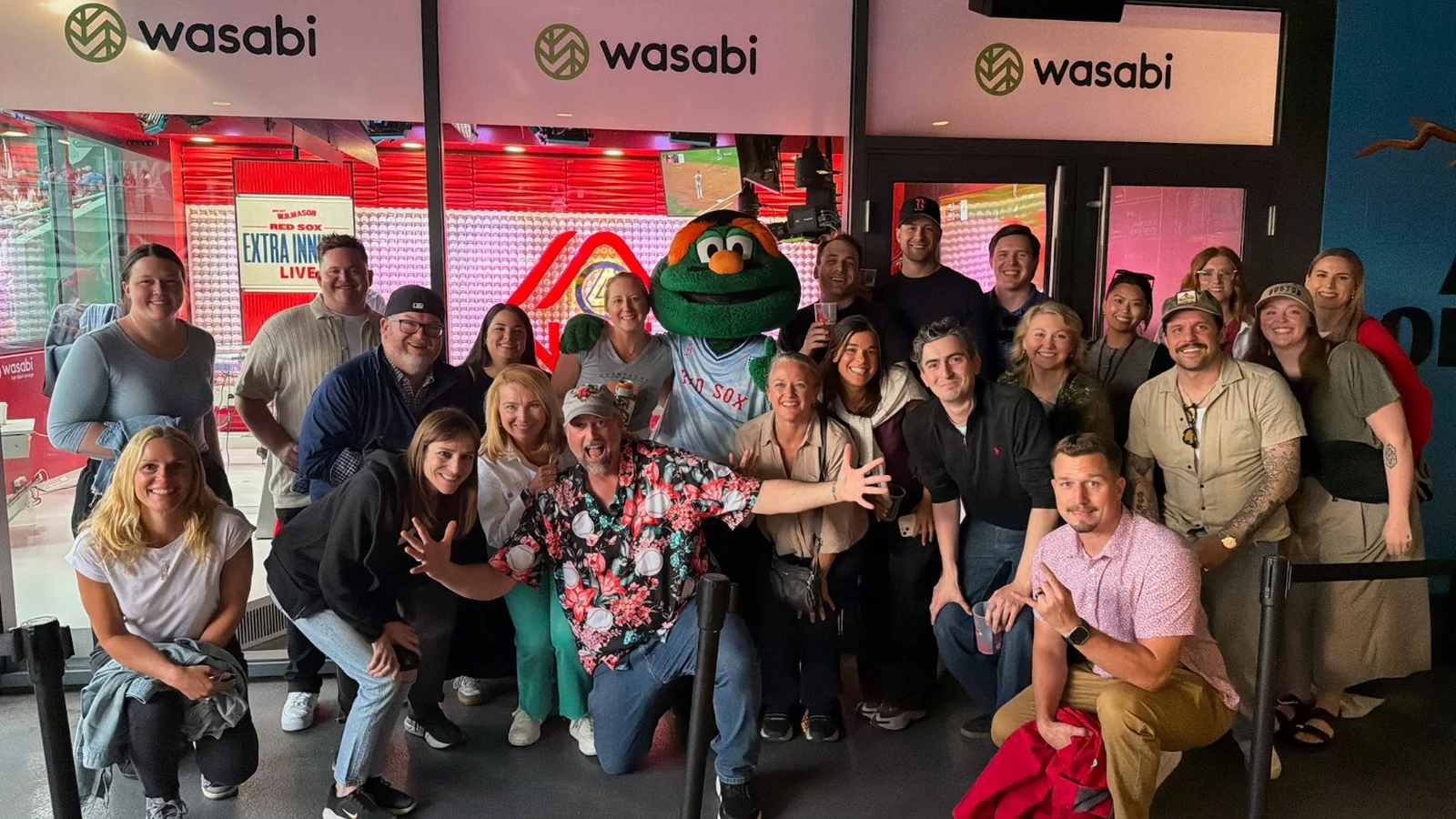
We just wrapped up an incredible two days in Boston for the 2026 Restaurant Marketing Workshop, hosted at Toast's beautiful HQ. (Ask me about their snacks... wow!)
If there is one thing this event proved, it's the immense value of niching down to get detailed and tactical about the unique challenges facing restaurant marketers today.
From the power of raw data to the surprising resilience of old-school tactics, the energy in the room was electric. If you couldn't make it to Boston this year, you missed some incredible Tatte Bakery & Cafe catering (who knew quiche was the ultimate lunch fuel?), but you don't have to miss out on the insights.
Here are the major takeaways, themes and masterclasses we uncovered at this year's workshop.
1. The ultimate mindset shift
If you take away nothing else from this year's workshop, let it be the quote that became the unofficial mantra of the event. As Amanda Schaub from Saloniki Greek so perfectly put it: "You're not annoying; you're marketing!"
In a world crowded with noise, consistency is your superpower. Don't apologize for putting your brand out there.
2. Data and brand strategy are inseparable
The days of being a "purely creative" marketer are officially behind us. Modern restaurant marketing requires a deep comfort with metrics, balanced by an immovable sense of identity.
The Data Reality Check: Srishti V. Handa from Dave's Hot Chicken leveled with the crowd: "A few years ago, if you were a marketer, you could get away with not understanding data… that's no longer the case."
The Brand North Star: Data tells you where to go, but your identity tells you how to act. As Evan Pardue from Condado Tacos reminded us: "Brand is the operating system for all of your decisions."
3. Personalization and the CRM masterclass
We had an absolute powerhouse lineup featuring Toast's Kelly Esten, EveryBite's Lucy Logan, honeygrow's Becca Ridgway and Schaub tackling how to truly master the CRM.
The biggest theme? Putting data into action. We actually watched Hang founder Matt Smolin unveil a custom site that allowed attendees to use AI to build personalized offers using their own brand data in real time. You can feed your own data into it here. Hint: You should choose offers to test, but let AI tell you which is best for individual guests.
4. Turning guest feedback into revenue
What do you actually do with all the feedback you pull in? Marc Howland (Breadless), Pedro Uchôa ( TAP) and Julio Arevalo (Ovation) hit the stage to lay out the framework for the ultimate customer feedback program. The consensus was clear: Great guest feedback systems shouldn't just collect static reviews. When executed right, a 5-star customer experience program actively drives retention, revenue and long-term loyalty.
5. Earned media: How to pitch (and what to avoid)
I had a blast moderating a panel with Ladd Biro and Hillary Frei of Handel's and CJ Ramirez of Dog Haus breaking down how to actually entice media outlets to pick up your pitches. If you want to win over reporters and land local "best of" lists with local influencers, keep these rules in mind:
- Ditch the attachments: Always send photo links with your pitches, never heavy files that clog an inbox
- Always include boilerplate info: Don't make a reporter hunt for your basic company details.
- Level up your LTOs: If you're pitching a Limited-Time Offer, it needs to be incredibly unique, or you need to wrap it in compelling stats or broader industry trends.
- Know your audience: Understand who you are pitching. B2B reporters cover vastly different angles than consumer-based lifestyle media.
And finally: I still hate fake April Fool's pitches. Save those for TikTok!
6. Yes, direct mail still works
While digital, AI and CRM took center stage, local store marketing shouldn't abandon the physical mailbox just yet. Dan Sokolik reminded everyone of a simple, undeniable truth: "Direct mail: I'll be quick. It still works, people!"
7. The lift lab: Mastering incrementality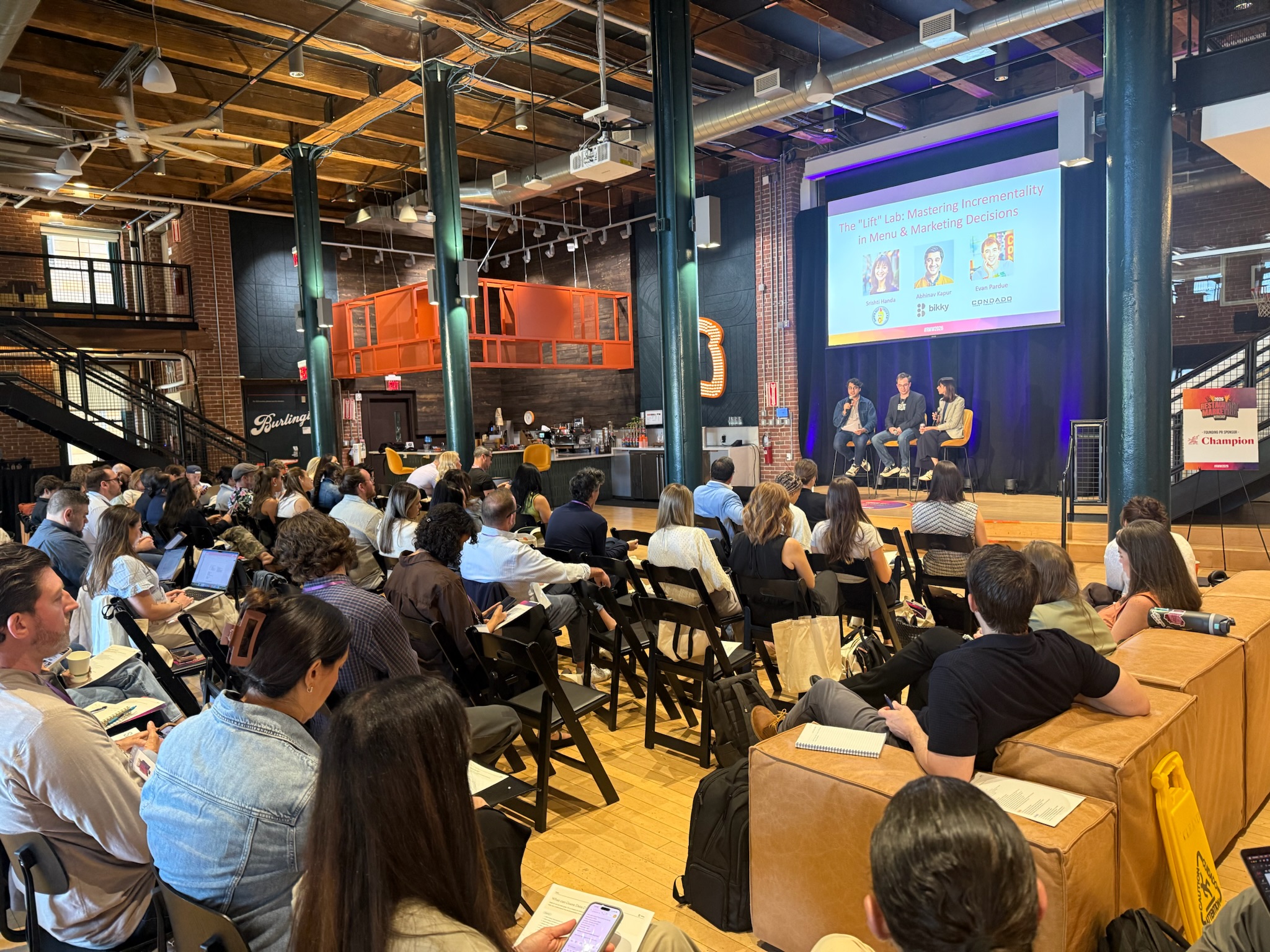
The math on modern guest retention is staggering. Bikky co-founder and CEO Abhinav Kapur broke down a sobering reality check: 80% of guests do not return after their first visit, a metric that is trending upward alongside a 40–50% reduction in guest trips since 2025.
To combat this, restaurants are leaning heavily into LTOs, but how do you ensure an LTO actually moves the needle instead of cannibalizing your core menu? Here's the plan:
- Track the core indicators: Measure new vs. returning guests, increased visit frequency and overall basket size.
- Stay true to your roots: The most successful LTOs are entirely unique to what makes your specific brand special.
- Sync your calendar: Align your LTO launch schedule directly to the exact visit frequency you are trying to incentivize your guests to adopt.
- Never stop listening: Constantly survey your guests, and don't skip the open-ended questions.
8. Local store marketing that scales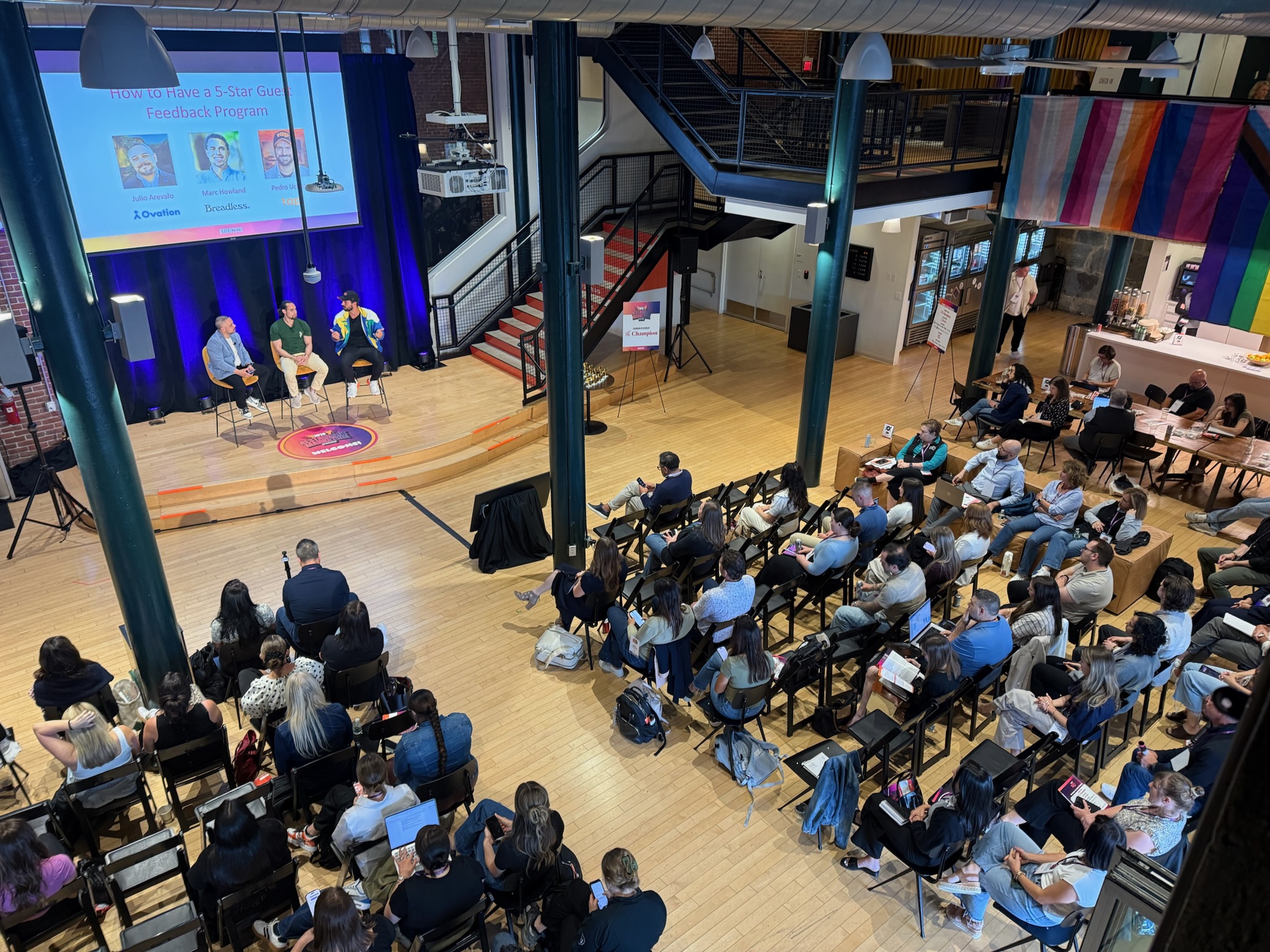
![]()
How do you build localized marketing campaigns that actually scale across multiple units without falling apart? Budget Branders President Ramsey Gilbertsen, Dan Sokolik, VP of Marketing of Lee's Famous Recipe Chicken, Julie Wade, CMO of Crazy Pita/ Yogurt Mountain, and Missa Webb, communications coordinator of Ziggi's Coffee took the stage to prove that effective LSM boils down to structured playbooks and smart, early execution:
- Script your catering outreach: Don't just tell managers to "find catering clients." Build an industry-by-industry playbook for uncovering new contacts that include line-by-line communication scripts.
- Two-way community partnerships: When partnering with local schools, sports teams or food banks, don't just focus on what they can do for you. Ask what your store can do to amplify its cause. You can even leverage their local intellectual property — like naming a signature combo meal after them.
- The 90-day micro-influencer strategy: For new store openings, identify 10–15 micro-influencers 60 to 90 days before the doors open. Lock them into a 90-day engagement, trading VIP opening night access and loyalty dollars for three dedicated in-feed pieces of content.
- Capture loyalty before day one: The second you get the keys to a new site, slap a window cling on the glass with a high-visibility QR code. Direct passersby to a landing page where they can join your email club and get hooked on the brand before you ever fire up the grills.
9. Steal these loyalty programs that actually work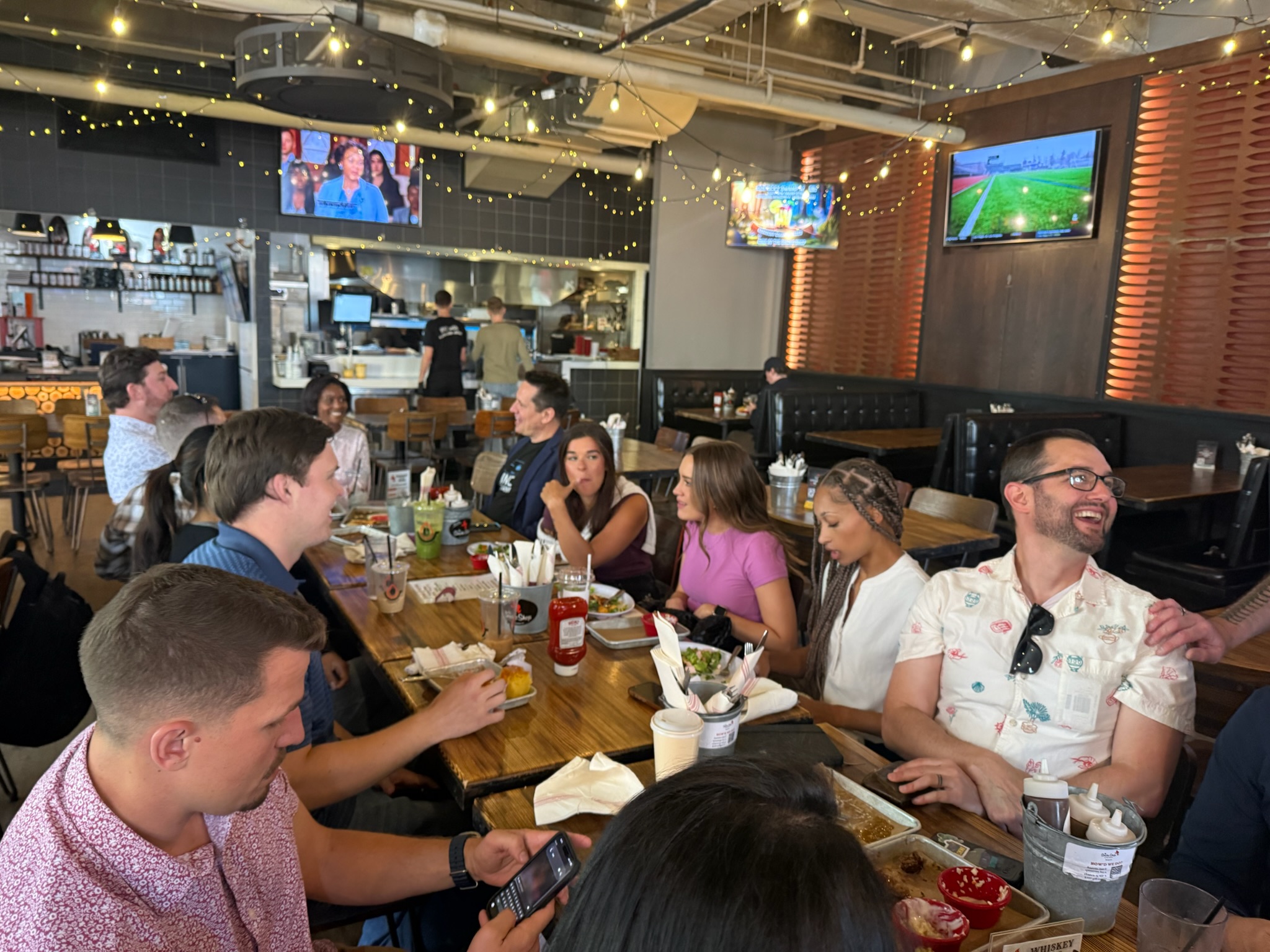
When it comes to loyalty, punch cards are dead, but you don't necessarily need a massive tech budget to win. IMPACT Digital Marketing's Brittany Satterfield led a panel that stripped away the fluff to deliver a masterclass in driving actual repeat behavior:
- Ditch the "app or bust" mentality: You do not need a custom app to build a successful loyalty program. Focus on the frictionless collection of data first
- The magic two-week window: This is your critical retention benchmark. If you can incentivize a first-time guest to return within 14 days of their first visit, the statistical probability of them becoming a lifelong regular skyrockets.
- Fuel the funnel with strong sign-ups: Drive initial rewards adoption with an aggressively attractive sign-up offer. To convert high-cost third-party delivery customers into first-party loyalists, slip fliers into every DoorDash or UberEats bag, highlighting that exact sign-up perk.
- The new store opening hand-off: During a grand opening, have your team hand out physical business cards featuring a clean QR code that prompts immediate sign-ups for exclusive future offers.
- Build a scaling "lapsed guest" flow: When a regular stops showing up, don't just send one generic email. Create a tiered, cascading re-engagement sequence. Offer 1 is a gentle nudge; if they don't convert, Offer 2 gets more aggressive; Offer 3 is your "Hail Mary." If they still don't bite, it's time to remove them from the list.
- Gamify your store metrics: Don't just look at company-wide loyalty data. Measure and rank the participation rate of rewards sign-ups on a store-by-store level to hold local teams accountable.
Here is a much tighter, punchier version of number 10 that keeps the core value but matches the fast-paced flow of the other sections:
10. Getting discovered in the age of AI search
One of the biggest shifts in the marketing world today is shifting our mindsets from Search Engine Optimization to Generative Engine Optimization, which Zane Donahoo, VP of Technology & Digital Marketing at P. Terry's Burger Stand, and Kelsey Verdier, VP of Marketing at Marqii, tackled during their session.
While SEO ranks a list of links, AI search (GEO) delivers direct recommendations based on what the internet says about your brand. To make sure ChatGPT, Claude and Gemini actually recommend your restaurants, follow this zero-code blueprint:
- Lock down data consistency: Ensure your name, address and hours match perfectly across every single listing on the web
- Feed the bots structured data: AI can't read a flat PDF menu. Use structured menu text with clear categories (e.g., "cheeseburger") and add Schema markup to your location pages.
- Optimize your reviews and FAQs: Build out a robust website FAQ page and respond to all guest reviews, naturally weaving key search terms into your replies.
- Make PR effortless: Hand media outlets fully written articles. The easier you make it for a publication to tell your story, the more high-authority mentions you lock in for AI to crawl.
- Audit your footprint: Test queries on your brand across different LLMs. Look at the sources the AI cites—which ones do you actually control?
- Audit your brand instantly: See exactly how your restaurants look to AI engines right now by running a free scan at marqii.com/geo-scan.
The final verdict on CX
Marketing doesn't end when the guest walks through the door or jumps in a car. Sometimes, the best marketing is just an unforgettable customer experience. Case in point: my co-attendees and I had the absolute best Uber experience in Boston, enjoying cookies from Maggie's Munchies while browsing books the driver keeps stocked as gifts for passengers. (And yes, that was my third Maggie's cookie in two days. Five stars!)
A massive thank you to David "Rev" Ciancio, the RMW team, Toast and every panelist, sponsor and attendee who made this event the powerhouse that it is.
We're already working on next year's plans!
Upcoming Events
Restaurant Marketing Workshop
June 2-3, 2026 | Boston
Restaurant Marketing Workshop will equip you with the latest strategies, tactics, and insights to drive brand awareness, customer engagement and revenue growth.
View AgendaRegister NowAbout Cherryh Cansler

Subscribe
Get the latest news and resources from Food Truck Operator.
Recent Posts


Recent Podcasts